24-hour phone response · Private wildlife service 610-522-1113

Wildlife damage repair in Delaware County

Animal damage repair

Repair and exclusion work that closes wildlife entry points after the immediate problem is addressed.

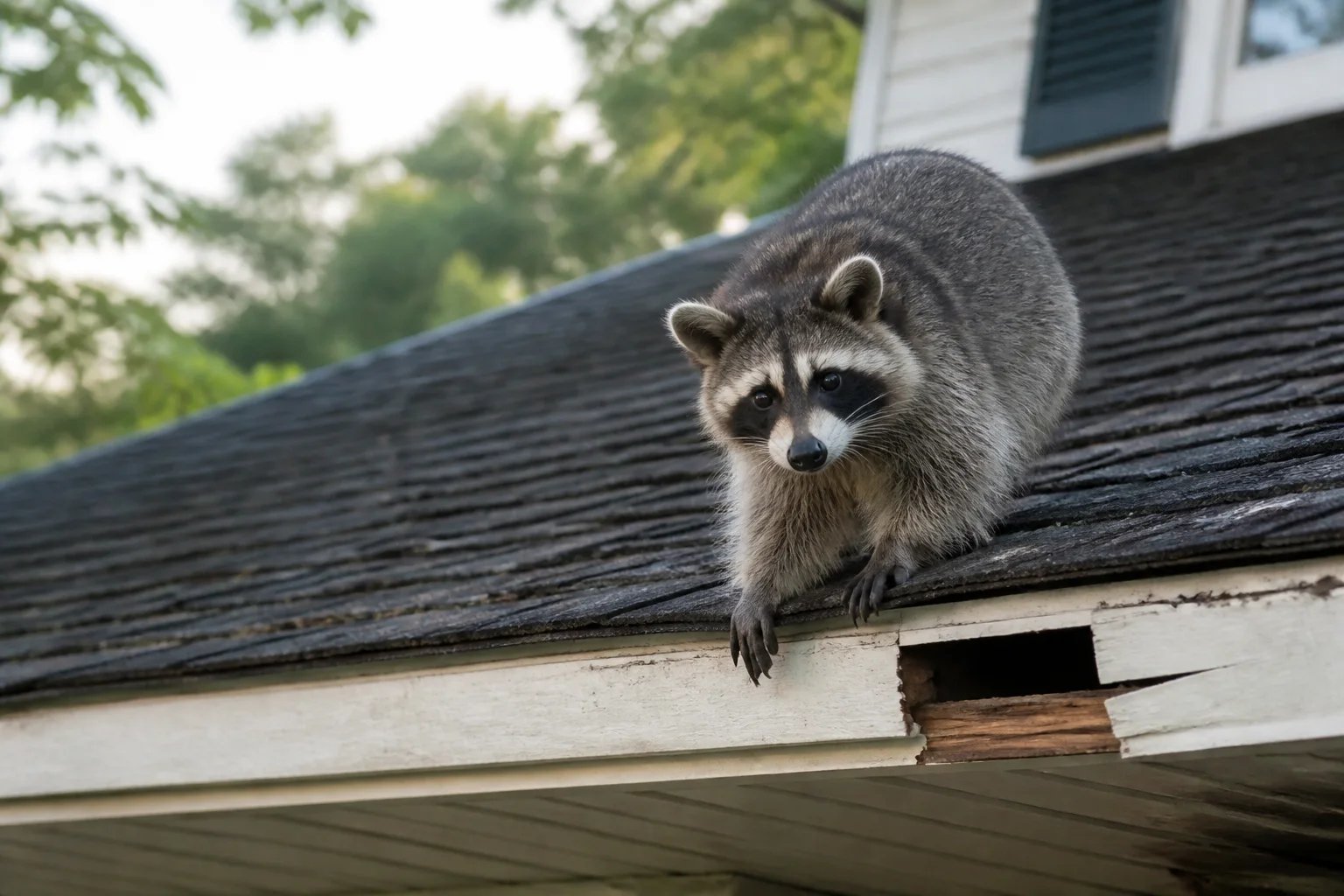
Raccoon at a damaged soffit and roof edge
Inspection · Removal · Exclusion · Repair
04

common signs to describe when you call

Understand the whole problem

Do not stop at the first visible sign.

Removal without repair can leave the same route open to the next animal. Damaged soffits, vents, fascia and crawl-space openings need durable materials and careful fit.

Repair recommendations are based on the actual access points found during inspection, with priority given to active and high-risk openings.
Signs to mention when you call

The pattern helps identify the right response.

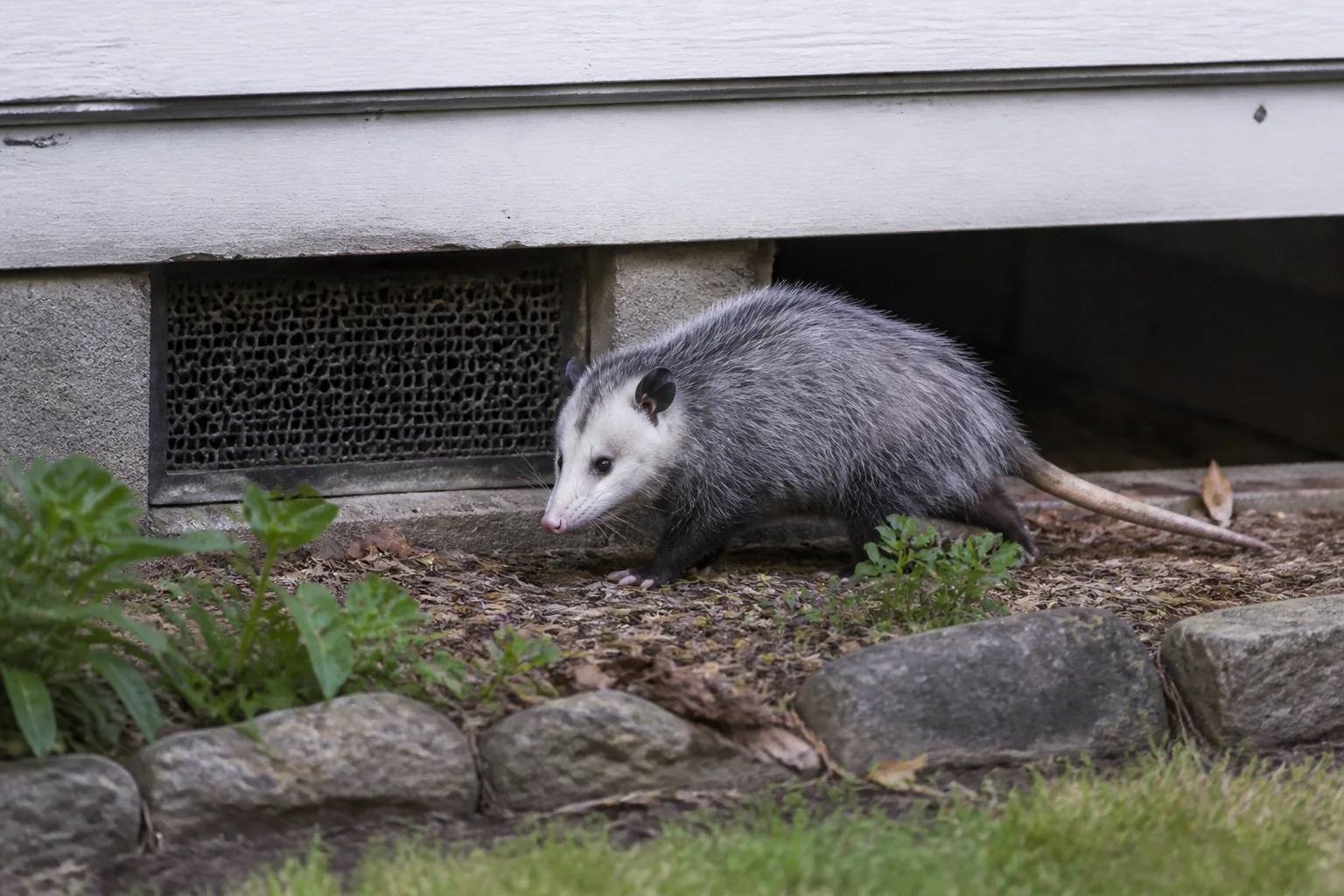
  • Bent or missing vent covers
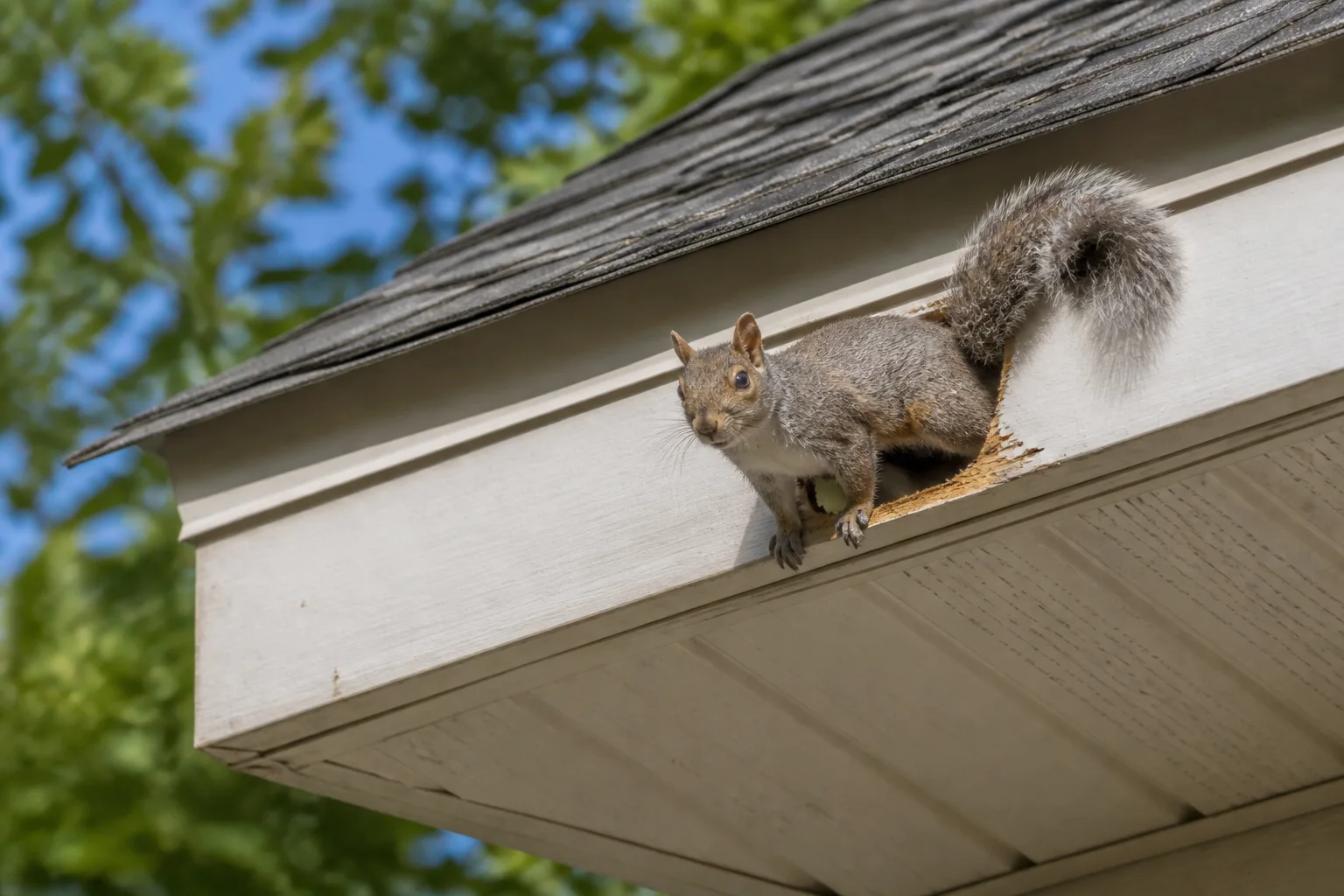
  • Chewed soffit or fascia
  • Open roof returns
  • Gaps around additions or utility penetrations

The scope

What we inspect and what the job may include.

What we inspect

  1. 01

    Active and previously used entry points

  2. 02

    Soffits, fascia, vents, roof returns and utility gaps

  3. 03

    Chewing, tearing, staining and displaced materials

  4. 04

    Nearby weak points that could fail after the main repair

What the work may include

  1. 01

    Documenting the opening and surrounding condition

  2. 02

    Matching repair materials to the location

  3. 03

    Installing screens, barriers or fitted exclusion where appropriate

  4. 04

    Prioritizing active, high-risk and secondary openings

Price and timing

What shapes the scope of work.

Repair should follow the activity sequence. An opening may need to remain available for controlled exclusion before it receives a permanent closure.

01

Number, size and height of openings

02

Material and finish needed for the repair

03

Roof access and setup

04

Whether wildlife removal or cleanup must happen first

What happens next

Remove the animal. Deal with the way it got in.

01

Inspect the whole entry path

We look beyond the animal itself to locate entry points, nesting areas and the conditions that made the property accessible.

02

Remove the immediate problem

The response is matched to the species, location and condition of the property instead of treating every call like the same job.

03

Close the route back in

Where appropriate, exclusion and repair work addresses the openings and damage that would otherwise invite the problem back.

Questions people ask

What to know about animal damage repair.

Can you repair the opening on the first visit?+

Sometimes. If wildlife may still be inside, controlled exclusion or monitoring may need to happen before permanent closure.

What materials are used?+

Materials depend on the opening and surrounding construction. The goal is a durable fit suited to the location, not a one-material patch.

Will you inspect for other openings?+

Yes. Nearby weak points matter because closing only the obvious hole can shift future activity to the next vulnerable area.

Request help

Tell us what is happening.

Send the animal or problem, your ZIP code and the best number to call. For immediate help, call directly.

Call directly610-522-1113
Call instead